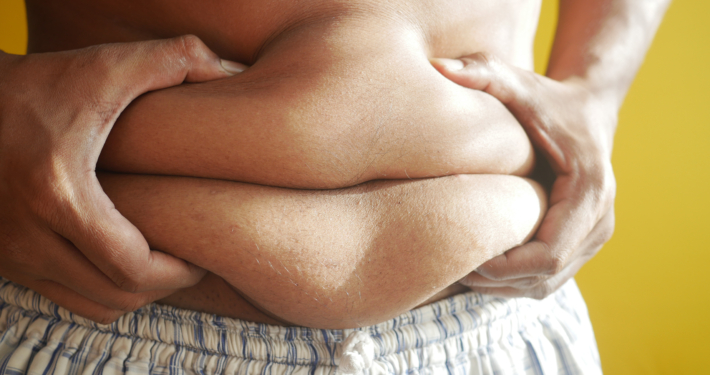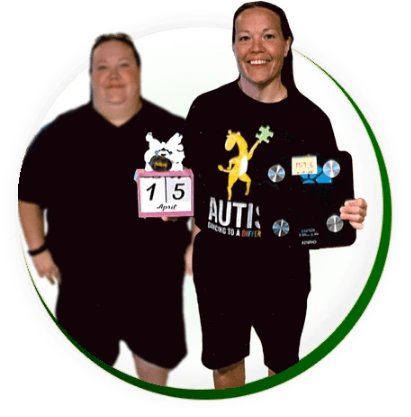





NJ Gastric Bypass Surgery is an alternative to Lap Band Surgery and Realize Band Surgery.
Gastric Bypass
Advanced Laparoscopic Surgeons were voted TOP DOCS in Bariatric Surgery 5 consecutive years!New Jersey Monthly Magazine voted Dr. Abkin & Dr. Bertha "Top Docs" in Bariatric Surgery 5 Years Straight! (2007, 2008, 2009, 2010, 2011)
Our New Jersey Weight Loss Surgery practice is designated as a Center of Excellence in Bariatric Surgery.
As designated by the American Society for Metabolic and Bariatric Surgery and the Surgical Review Corporation, our practice in NJ is a Center of Excellence in Bariatric Surgery specializing in Lap Band, Realize Band and Gastric Bypass Surgery.
As a Center of Excellence, we provide the best possible care while, minimizing complications related to Bariatric Surgery. We operate out of 3 Center of Excellence approved facilities including, Morristown Memorial Hospital, Saint Clare's Hospital, and Hackensack University Medical Center.

Simply fill out the form below and register for our next Surgical Weight Loss Seminar.
Required *
OneRegister for a Free Bariatric Seminar online at the convenience of your computer.
TwoWe offer Free Bariatric Seminars every month. Learn about the risks and benefits of Bariatric Surgery in NJ.
ThreeAfter your seminar, schedule your initial consultation with your NJ Bariatric Surgeon and see if weight loss surgery in right for you.
Bariatric Support is a key part of weight loss surgery success. We offer a comprehensive support system before and after weight loss surgery to help ensure your weight loss goals are within reach.
Sleeve Gastrectomy is a bariatric procedure that offers an excellent alternative to both Gastric Bypass and adjustable Gastric Banding.
Learn More
Our surgeons were the first in New Jersey to utilize the technique known as the SILS Procedure for adjustable gastric banding.
Learn More
Gastric Bypass patients generally seek revisional weight loss surgery for failure to lose weight, or weight regain.
Research presented at the International Congress of Endocrinology and European Congress of Endocrinology shows that people who eat fast have a 2.5-times higher risk of Type 2 diabetes, compared with slower eaters.
"The prevalence of Type 2 diabetes is increasing globally and becoming a world pandemic. It appears to involve interaction between susceptible genetic backgrounds and environmental factors," study researcher Dr. Lina Radzeviciene, of the Lithuanian University of Health Sciences, said in a statement. "It's important to identify modifiable risk factors that may help people reduce their chances of developing the disease."
Read more...